
Hotels in Kuala Lumpur
Choose your dates to check current prices and hotel deals:
:
:


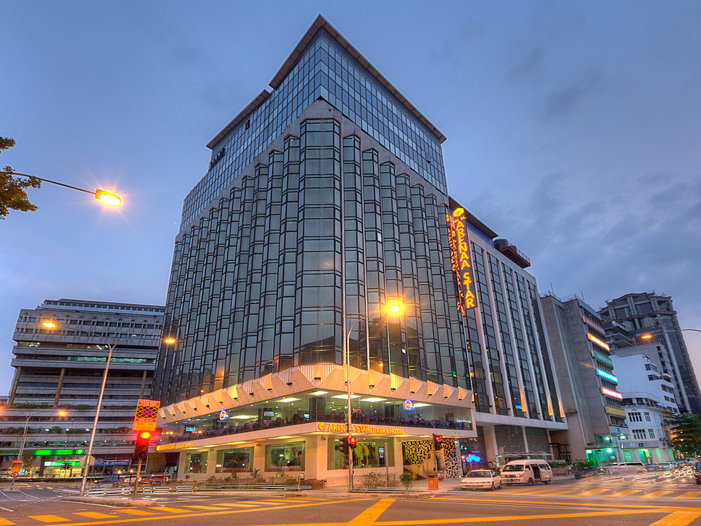

Find the best hotels in Kuala Lumpur for your next stay
Still wondering what to do in Kuala Lumpur? Opodo has the top must-see plans so you won't miss a thing. Find everything you need to know before picking your stay in Kuala Lumpur and book your hotel today!
Kuala Lumpur: The Garden City of Lights Awaits
Kuala Lumpur offers a compelling blend of structures and natural spaces. The city is recognised for its prominent twin towers, which dominate the skyline, alongside other impressive modern developments. Its culinary scene is a significant draw, ranging from street food stalls to more formal dining experiences, reflecting the country's diverse cultural influences. Visitors often explore the central markets and various districts, each presenting a different facet of local life.
Beyond the urban sprawl, green spaces provide a contrast to the high-rise buildings. The city's transport network facilitates movement between its various points of interest, including its large shopping centres and cultural institutions. Places of worship representing different faiths are also present, adding to the city's rich fabric. It's a place where tradition and progress coexist, making for an interesting urban exploration.
Where to book your hotel in Kuala Lumpur
Most visitors to Kuala Lumpur tend to book their accommodation in the Bukit Bintang area, as it offers a central location with excellent access to shopping, dining, and entertainment.
Bukit Bintang is known for its large shopping centres like Pavilion KL and Starhill Gallery, as well as a wide array of restaurants and bars along Changkat Bukit Bintang. Accommodation here ranges from luxury hotels to more budget-friendly guesthouses. For a taste of local street food, Jalan Alor is a renowned night market located just off the main thoroughfare.
Another popular choice is the KLCC (Kuala Lumpur City Centre) district, home to the Petronas Twin Towers and KLCC Park. This area is generally more upmarket, featuring premium hotels that often provide views of the city's skyline. The Suria KLCC shopping mall is situated beneath the towers, offering high-end retail and diverse dining options. The Kuala Lumpur Convention Centre is also found here, making it convenient for business travellers.
For those interested in exploring Kuala Lumpur's cultural heritage, Chinatown (around Petaling Street) and Little India (Brickfields) offer a different experience. Chinatown provides numerous boutique hotels and hostels amidst its bustling market stalls and temples like Sin Sze Si Ya Temple. Little India, near the KL Sentral transport hub, has a selection of mid-range hotels and eateries serving authentic Indian cuisine, such as the famous banana leaf rice restaurants.
When considering where to stay, bear in mind Kuala Lumpur's public transport system is efficient. The KLIA Express train connects Kuala Lumpur International Airport (KLIA) directly to KL Sentral, the city's main transport hub. From there, an extensive network of Monorail, LRT, and MRT lines can take you to most hotel areas, making travel around the city straightforward regardless of your chosen base.
Find the best hotel deals in Kuala Lumpur
When planning your trip to Kuala Lumpur, consider your timing carefully to manage accommodation costs. Hotels tend to be more expensive during peak tourist periods, which often coincide with major school holidays and festivals. The high season generally runs from December to February and again from June to August, when many international visitors flock to the city. Prices also rise around significant local events like Chinese New Year, Hari Raya Aidilfitri, and Deepavali, as well as during the Kuala Lumpur International Arts Festival.
For better value, aim to visit during the low season, typically from March to May and September to November. During these months, demand for hotels usually drops, leading to more competitive rates. Booking well in advance, regardless of the season, can also secure better prices, and always compare various booking sites. Additionally, look out for deals around specific shopping festivals that Malaysia often hosts, as hotels sometimes offer promotions to attract shoppers.
Flight-inclusive Packages booked on opodo.co.uk are financially protected by the ATOL scheme (under Vacaciones eDreams SL’s ATOL number 11966). ATOL protection does not apply to all travel services listed on this website. This website and our general terms and conditions will provide you with information on the protection that applies in the case of each holiday and travel service offered before you make your booking. If you do not receive an ATOL Certificate, then the booking will not be ATOL protected. If you do receive an ATOL Certificate but all the parts of your trip are not listed on it, those parts will not be ATOL protected. Please ask us to confirm what financial protection may apply to your booking. Please see our general terms and conditions for more information about financial protection, or for more information on the ATOL Certificate go to: www.caa.co.uk.

