Flight etiquettes: 10 unwritten rules for a happier journey
Let's be honest: flying isn't just getting from A to B, it's sharing a tiny space with hundreds of fellow travellers.
From armrest negotiations to small talk with strangers, airplanes come with their own unspoken social rhythms. Lean into them, and the journey becomes just as enjoyable as your destination.
At Opodo, we surveyed 9,000 travellers worldwide to uncover the truth about in-flight behaviour. The result? A fascinating look at what really annoys us and how we can all travel better.
Here are 10 essential flight etiquette rules to help make every journey smoother (for you and everyone around you).
1. Boarding behaviour
There's a rhythm to boarding. And when it works, it works beautifully. But that flow is fragile. It only takes one person fumbling with luggage, searching for seats, or blocking the aisle to break the tempo. While travelling, most of us just want to sit down and simply take off. Slow stowing therefore ranks among the top frustrations.
Etiquette tip: Be patient, but ready when it's your turn. A little preparation keeps things moving for everyone.
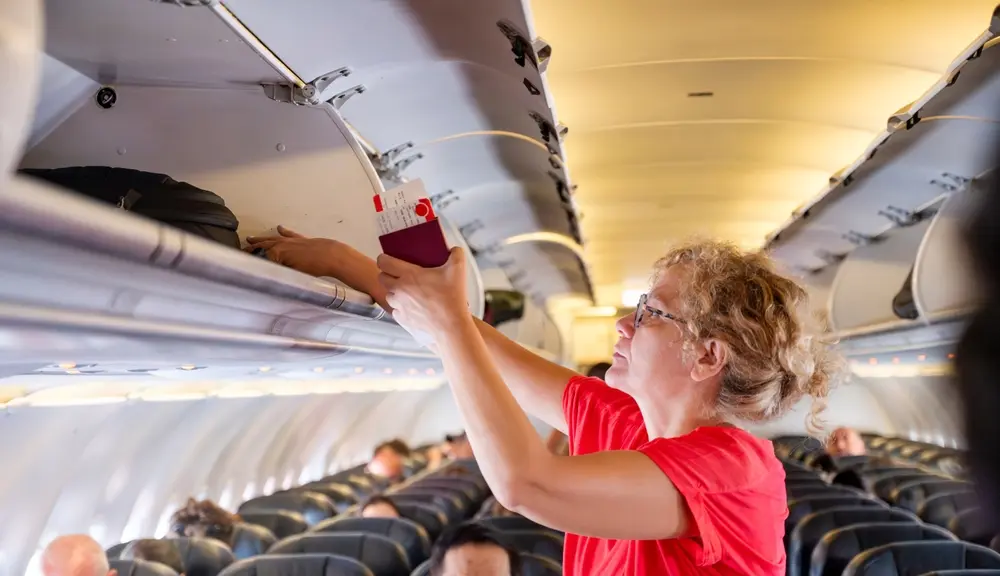
2. Suitcase struggles
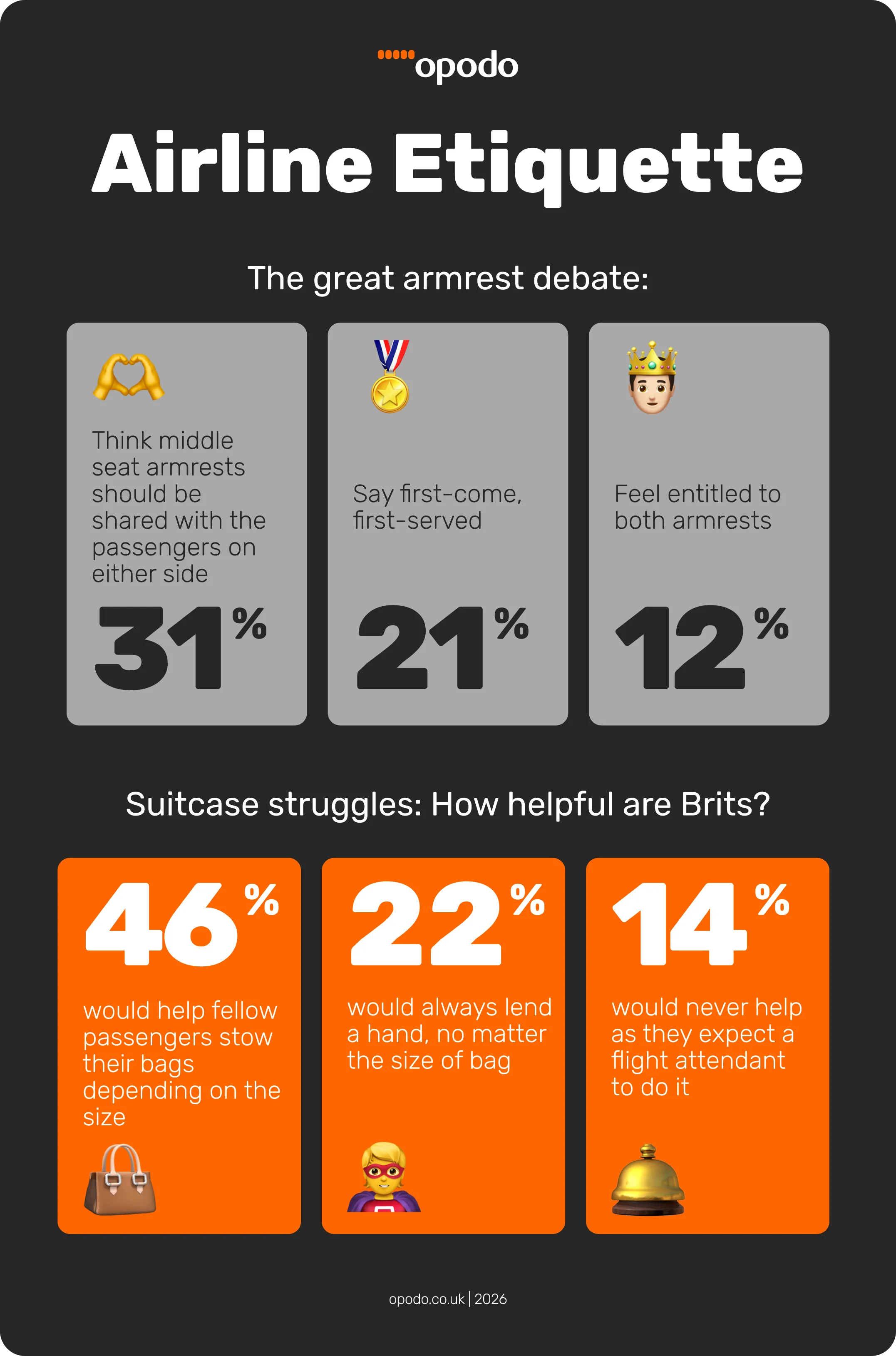
We've all seen someone struggling to hoist a heavy carry-on into the overhead locker. Are we a nation of helpers? Among UK travellers, nearly half (46%) say they'll help depending on the situation, weighing up the size of the bag or the effort involved. Only 22% say they always step in, while 14% admit they wouldn't help at all, expecting the crew to take over. Compare that to other countries, where helping is more instinctive, and you start to see how these small moments shape the overall atmosphere onboard.
Etiquette tip: If you can help easily, do it. It's often the first moment of goodwill on a flight.
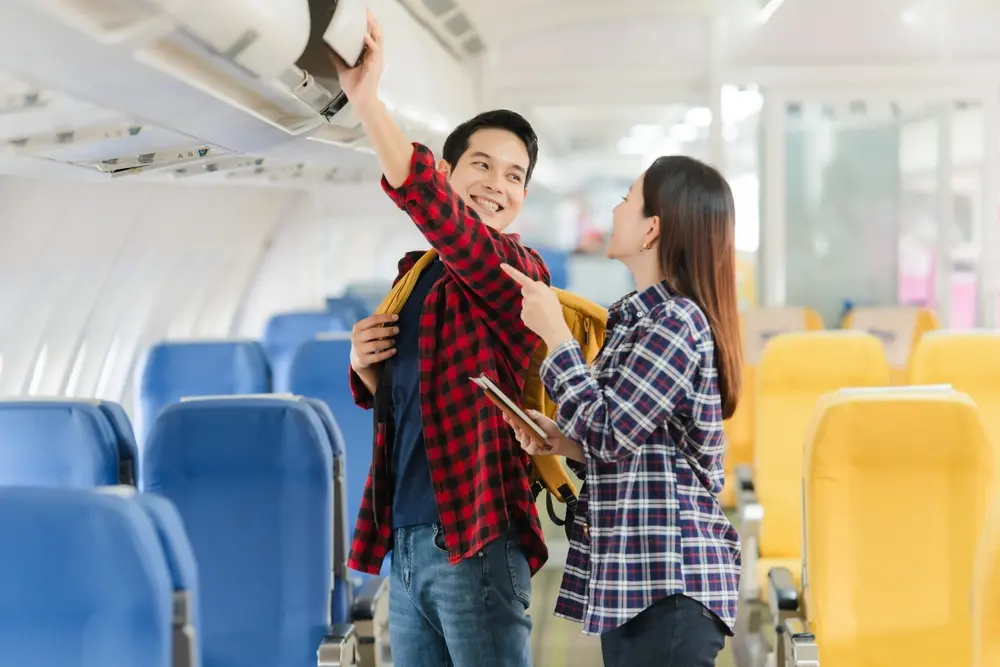
3. The seat-swap
It's the question every solo traveller dreads: 'Would you mind swapping?' While it often stems from a genuine desire for families or friends to sit together, for many, it's a disruption of their pre-planned comfort. In the UK, 17% of travellers rank being asked to switch seats as one of their top on-board annoyances, viewing it as an awkward social pressure they'd rather avoid. Whether it's a paid-for window seat or a carefully chosen aisle, we are increasingly protective of our 'slice' of the cabin.
Etiquette tip: Only ask if you are offering a better (or equal) seat in return. If the answer is no, accept it gracefully. Everyone's 'peace and quiet' is part of their travel plan.

4. The great armrest rule
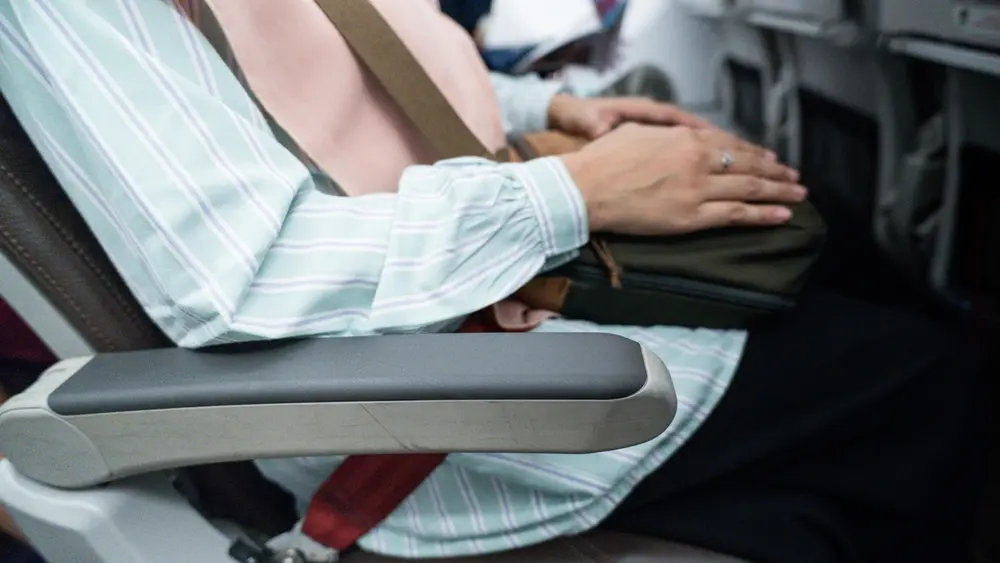
It usually starts without a word. You take your seat, settle in, and quickly realise that something as small as an armrest can turn into a quiet negotiation. The middle seat is widely considered the 'short straw' of aviation. For many people, there's no clear consensus. Around 31% believe it should be shared, while others take a more individual approach. 21% of travellers follow a first-come, first-served mindset. A smaller but vocal 12% feel entitled to both armrests as compensation for the least desirable seat. Interestingly, when you zoom out globally, attitudes soften, with 44% of travellers opting to share.
Etiquette tip: There's no official rule, but most travellers agree: the middle seat deserves a little extra room. Just don't forget, sharing keeps things friendly.
5. The 'recline' minefield
Nothing starts a cabin confrontation faster than a seat slamming backward into a tray table. You've settled in, maybe opened your laptop or have a drink, when suddenly the seat in front drops back without warning. It's a familiar frustration, and for UK travellers, it's one of the biggest. In fact, 60% say this is their number one annoyance onboard. The issue isn't the reclining itself. It's the lack of warning.
Etiquette tip: Before you push the button, glance behind you. Is your neighbor eating? Are they using a laptop? A simple, 'Do you mind?' reduces friction by 100%. A little awareness goes a long way.
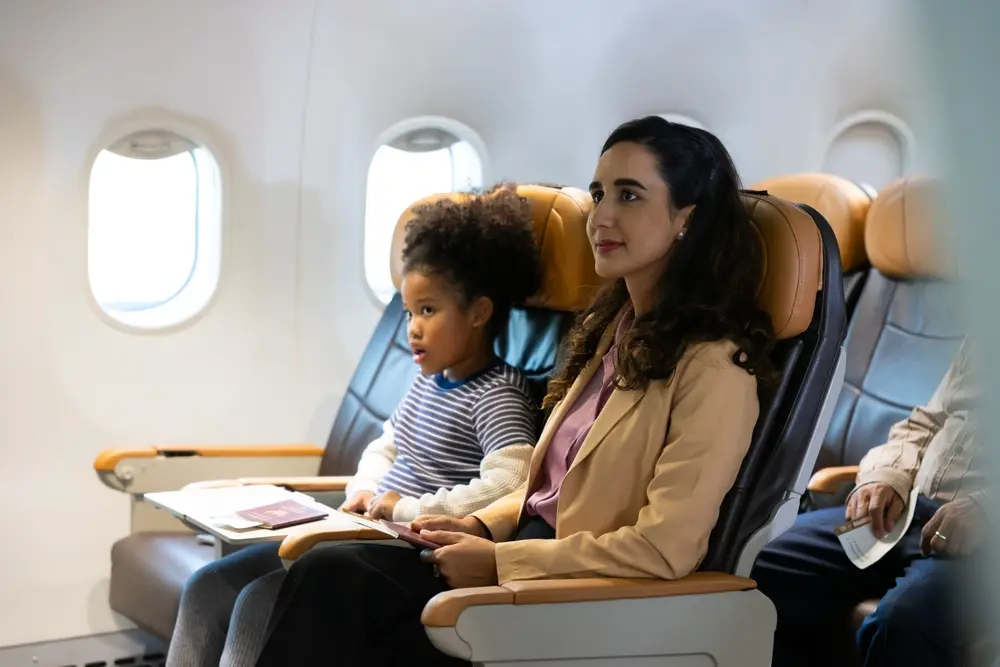
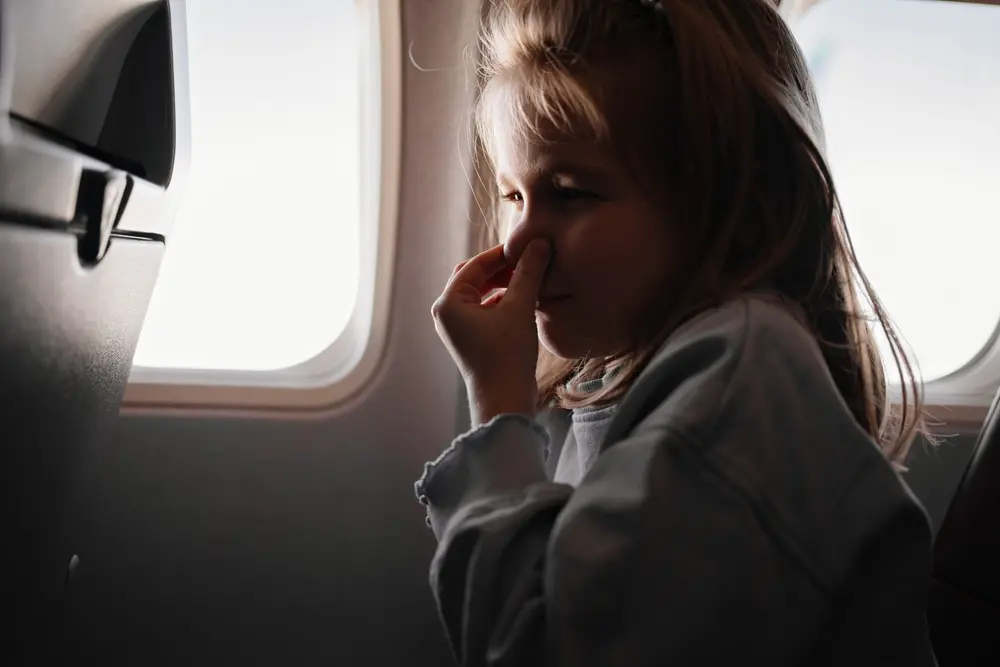
6. Smelly seatmates
Some things on a plane you can ignore. Others, not so much. Smell is one of them. In a sealed cabin, your choice of lunch or perfume becomes everyone's business. When we asked travellers which scents bothers them most, the response was overwhelming: for 70% of Brits, smelling another passenger's body odour would be particularly offensive. It ranked far above other concerns like toilets (13%) or strong perfumes and food (7% each). It's a reminder that comfort isn't just about space. It's about the shared environment.
Etiquette tip: Keep it subtle. Fresh beats fragrant in a confined cabin. Stick to neutral scents. Keep your shoes on and your tuna sandwich for the terminal to keep the peace in your row.
7. To talk, or not to talk?
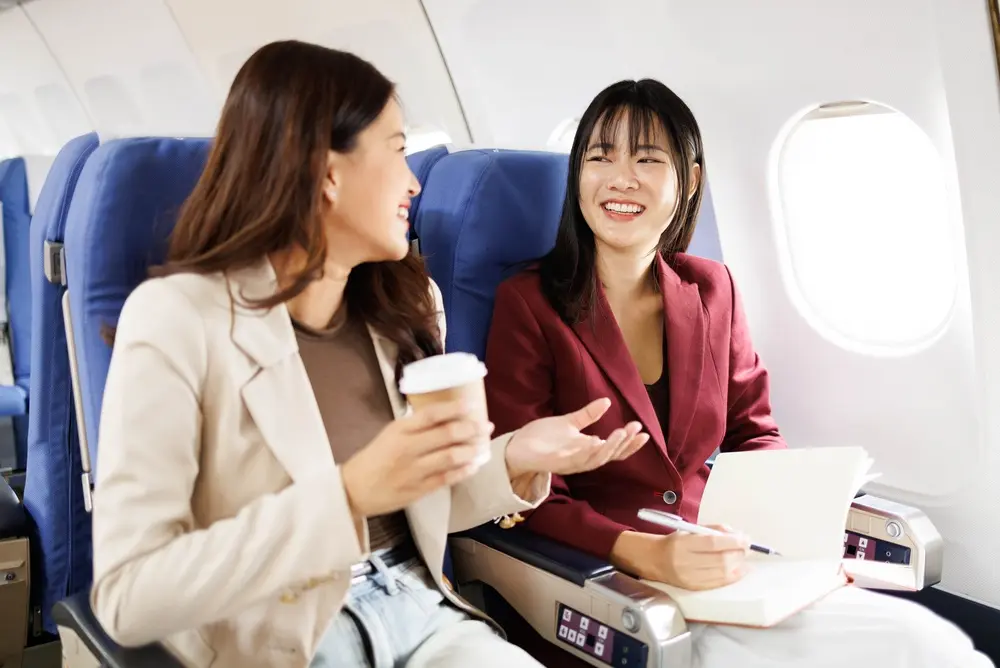
At some point during the flight, it happens: that brief moment of eye contact with the person next to you. Do you start a conversation? For some of us, the answer is yes. Around 34% are open to deeper conversations, often hoping it might lead to an interesting story. But almost as many, 29%, prefer to keep things short, while 18% actively avoid engaging at all. It's a delicate balance, and one that depends entirely on reading the situation.
Etiquette tip: Start light, then adapt. Not every seatmate is looking for a conversation.
8. Post-landing patience
The wheels touch down, the cabin relaxes... and then the seatbelt sign switches off. That's when it happens: people start standing, reaching for bags, edging into the aisle before anything is actually moving. For many travellers, this is where patience wears thin. Around 26% say they're frustrated by passengers who stand up too early, turning what should be a calm exit into unnecessary chaos. And then there's the applause. While some see it as a harmless tradition, 18% of Brits admit they find clapping when the plane lands slightly irritating. The truth is, getting off the plane isn't a race. The aisle only moves when it moves.
Etiquette tip: Stay seated until your row is ready to move.
9. The cultural compass
Etiquette doesn't just change from flight to flight; it changes from border to border. Our global data shows that who you're sitting next to might dictate the 'vibe' of your row. For instance, if you're looking for a deep, personal conversation, almost half of the Italian or Portuguese travellers (47%) are happy to chat. However, if you're flying with Brits or Spaniards, do not take it personally if they reach for their headphones - they are the least likely to engage in a long chat. While Germans and Italians are the 'luggage heroes' of the sky, the UK seems a bit more reserved. Understanding these cultural quirks makes the world feel a little smaller.
Etiquette tip: Observe the room. A smile is universal, but pay attention to cultural cues.
10. Kindness: The one that always works
After all the debates, armrests, reclining seats, conversations, one thing stands out from the data: Flights feel better when people are simply considerate. Whether it's offering help, sharing space, or just being patient, these moments don't go unnoticed. In fact, they often shape how we remember the journey just as much as the destination itself.
Etiquette tip: When in doubt, choose kindness. It's the easiest way to improve the experience for everyone onboard.
Final thought: travel better, together
There may not be a formal rulebook, but there is a shared understanding. And when we follow it, something shifts: the flight becomes smoother, quieter, and far more enjoyable.
Because great travel doesn't just begin when you land. It begins with how we treat each other along the way.
Ready to put good travel etiquette into practice?
Book your next flight and enjoy a delightful journey.
Book your next flight