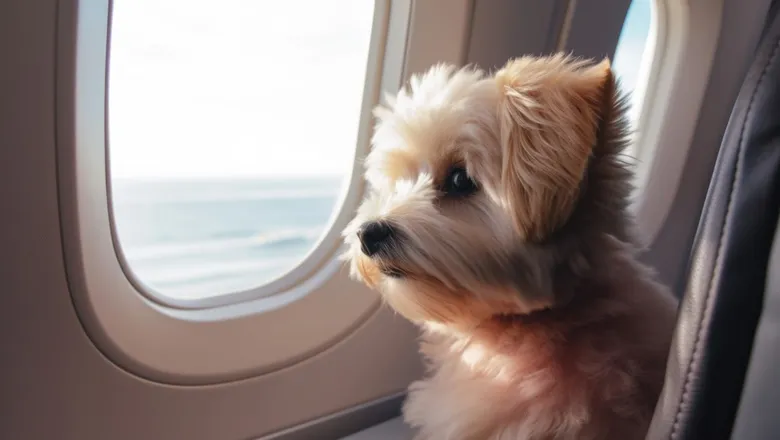
What you need to know when travelling with your pet
This varies depending on the airline. Many airlines have specific rules about which breeds are allowed, often restricting brachycephalic (short-nosed) breeds due to health risks. Size limits also differ, affecting whether your pet can fly in-cabin or must go as cargo. Prices usually change according to size and travel method. Below, you’ll find detailed information about each airline’s pet policies, including prices and size limits to help you plan.
You’ll typically need proof of vaccinations, a pet passport (especially within the EU), and microchipping to meet international travel requirements. Some countries may require additional health certificates or quarantine periods. Always check the specific rules for your destination well in advance to avoid last-minute surprises and make sure to have health history documentation also in English.
Make sure to bring essentials like food and water bowls, enough pet food for the trip, leash and harness, favorite toys or comfort items, medications, and any important documents such as vaccination records. A travel crate or carrier that’s comfortable and airline-approved is also important. Don’t forget a first-aid kit designed for pets just in case.
Flying can be stressful for pets, so managing anxiety is key. Try familiarising your pet with their carrier before the trip and bring along comfort items like blankets or toys. If your vet recommends, calming sprays or medications may help. Stay calm yourself, as pets can pick up on your emotions. If barking is an issue, distraction with treats or toys might help reduce stress.
Yes, pet insurance can be a valuable safety net, especially when flying. It can cover unexpected veterinary costs abroad or emergencies. Check your policy carefully to ensure it covers travel-related incidents and destinations you plan to visit.
Losing a pet during air travel is every owner’s worst fear, especially if they’re traveling as cargo. Make sure your pet is properly identified with a microchip and a secure collar with updated tags. Airlines and pet carriers have strict handling procedures, but it’s important to confirm they treat your pet with care. Have a plan in place for quickly reporting and searching if your pet goes missing.
Check local laws before you arrive, including leash requirements, breed restrictions, and rules about where pets are allowed. It’s also good to know where local vets and emergency animal hospitals are located. This helps you be prepared if your pet needs medical care or if you need support while you’re away from home.